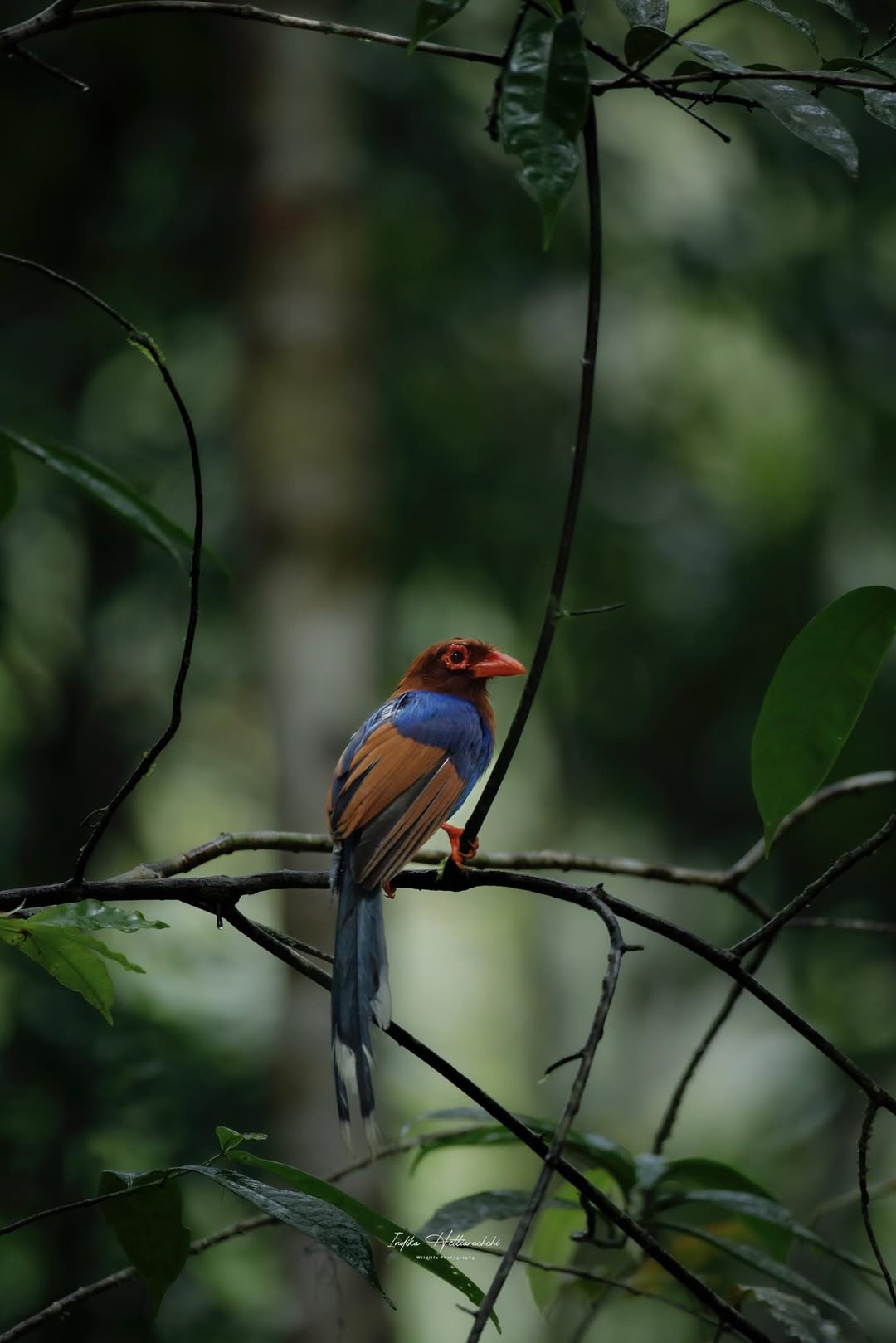
Sri Lanka blue magpie
A wet-zone forest icon. Best chance in good Sinharaja time at first light.

Sri Lanka Wildlife Photography
Kelaya PhotographyWildlife gallery, field notes, and private safari planning
Loading field notes...
0%
Birding
From Sinharaja mixed flocks to dry-zone raptors and coastal lagoons, Sri Lanka packs a lot of bird life into short travel distances when the days are paced well.
Birders and wildlife travelers who want endemics, wetlands, and a route that respects habitat and season.
Why Sri Lanka
Sri Lanka holds a strong set of endemic birds found nowhere else, plus migrants that arrive in the cooler months. Rainforest, dry forest, tanks, and coastal lagoons sit close enough that a well-built week can cover more than one habitat without living in a vehicle all day.
Endemics such as the Sri Lanka blue magpie, Sri Lanka grey hornbill, and Sri Lankan junglefowl draw serious birders. Wetlands bring spoonbills, herons, and seasonal flocks. The dry zone adds raptors and open-country species around parks like Yala and Kumana.
Good birding here is about first light, quiet time in the right habitat, and clear identification. Guiding draws on field practice and formal ornithology training, with ethical distance and no baiting.
Field frames
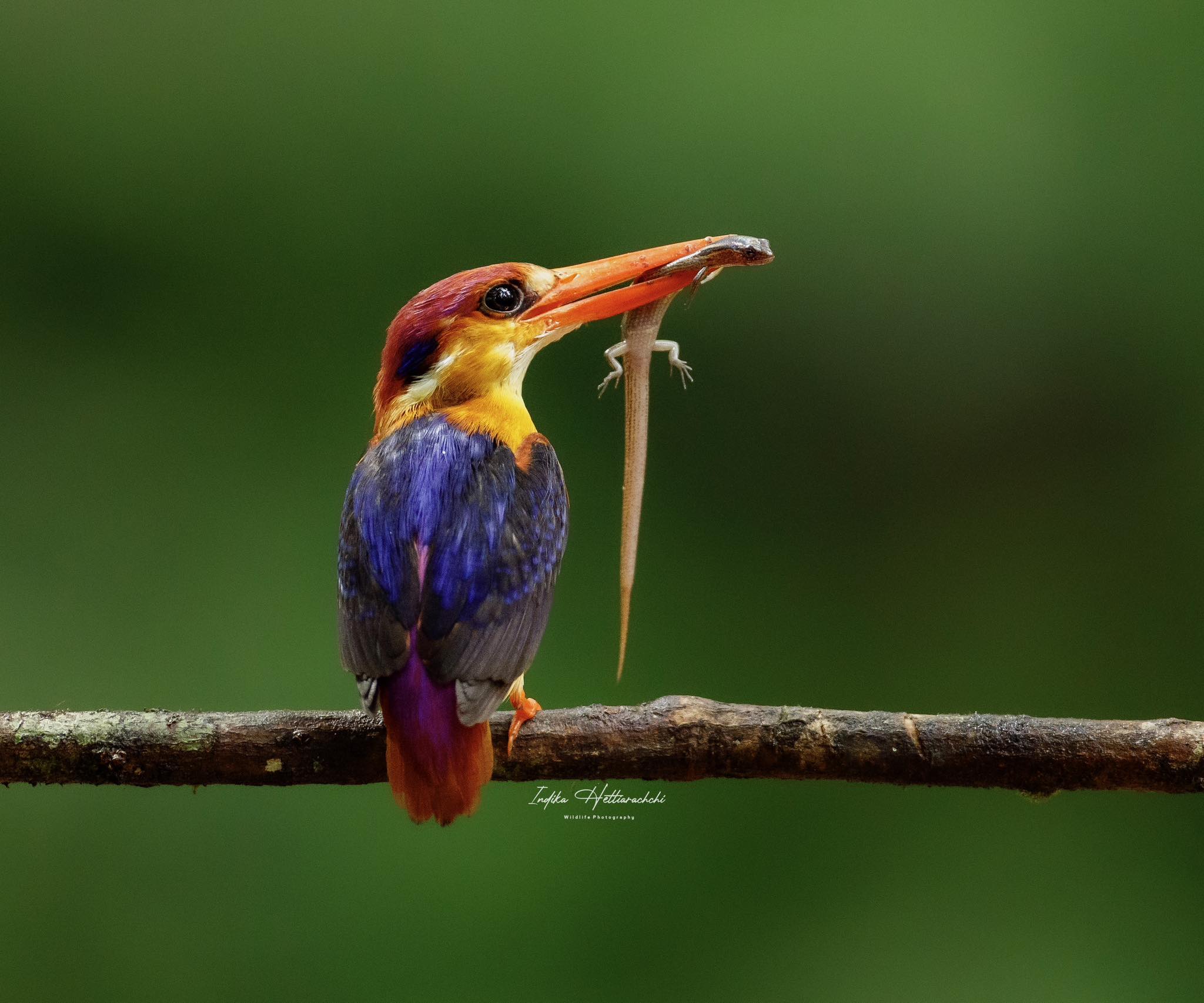
Kingfishers, hornbills, endemics, and waterbirds from across the island archive.
Endemic focus
A full endemic list depends on season, habitats, and how many days you spend in strong forest. These are among the species guests ask about most.
A wet-zone forest icon. Best chance in good Sinharaja time at first light.
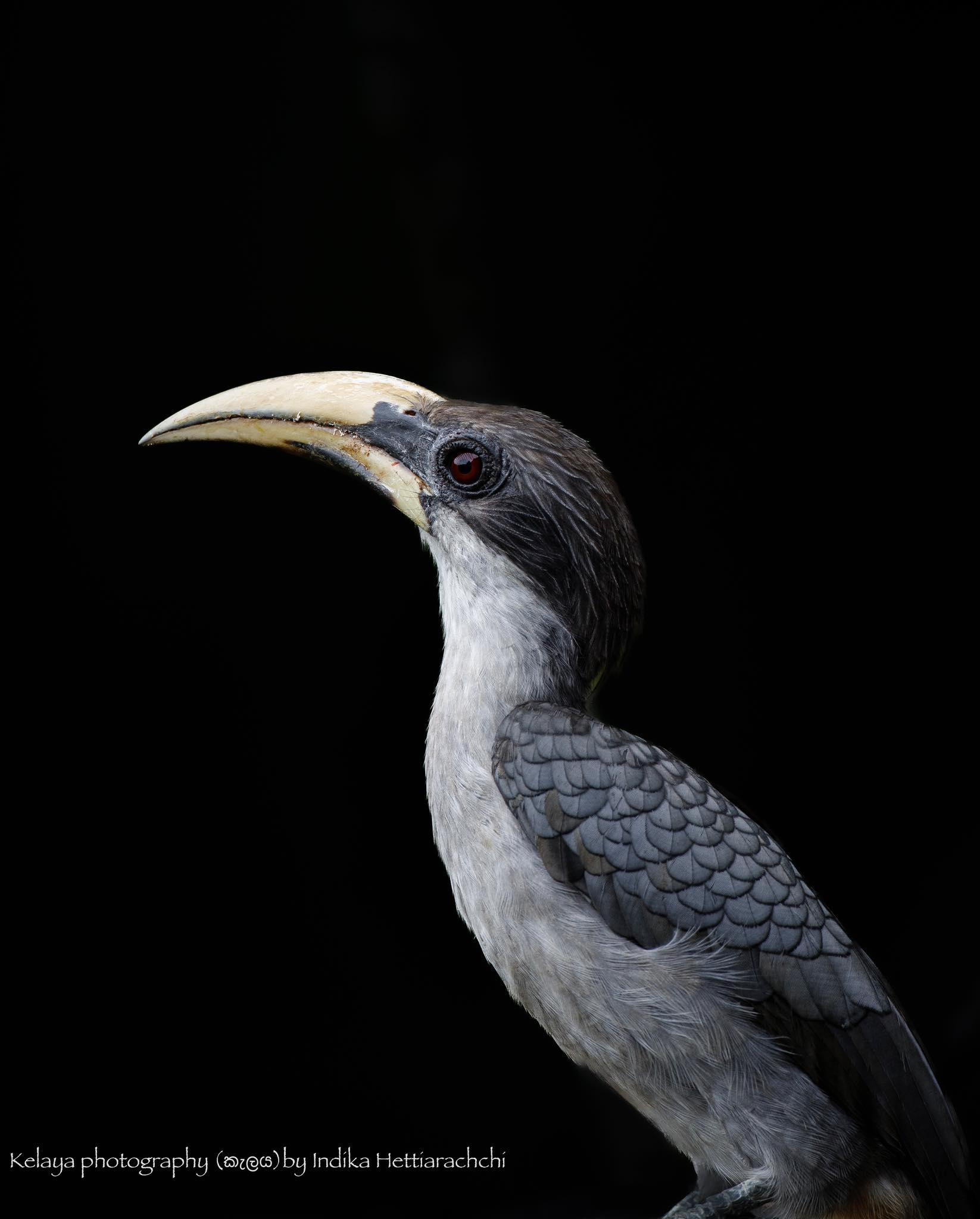
Often heard before it is seen. Forest edges and canopy openings in the wet zone.
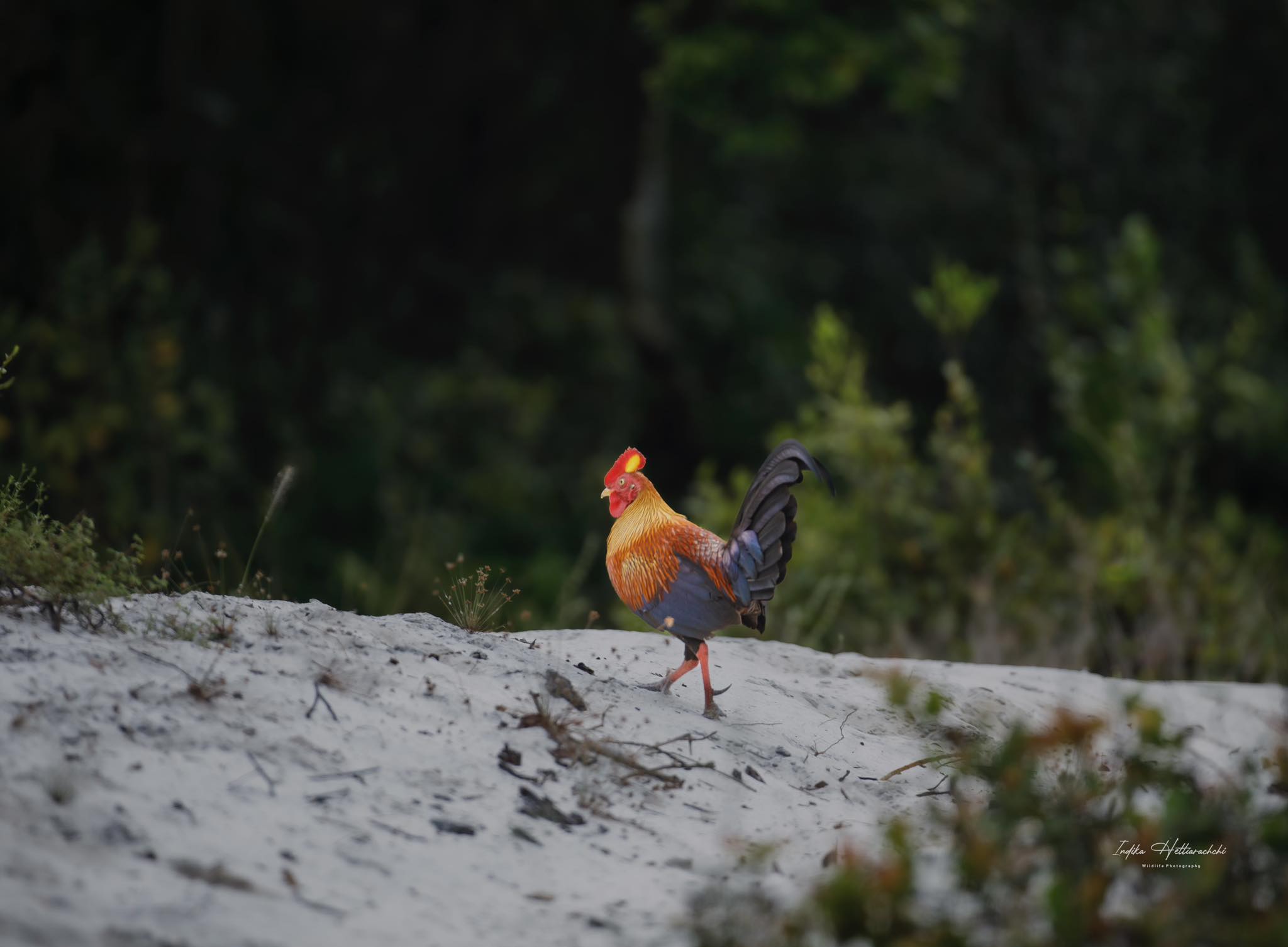
The national bird. Common in many parks, still a pleasure when light is clean.
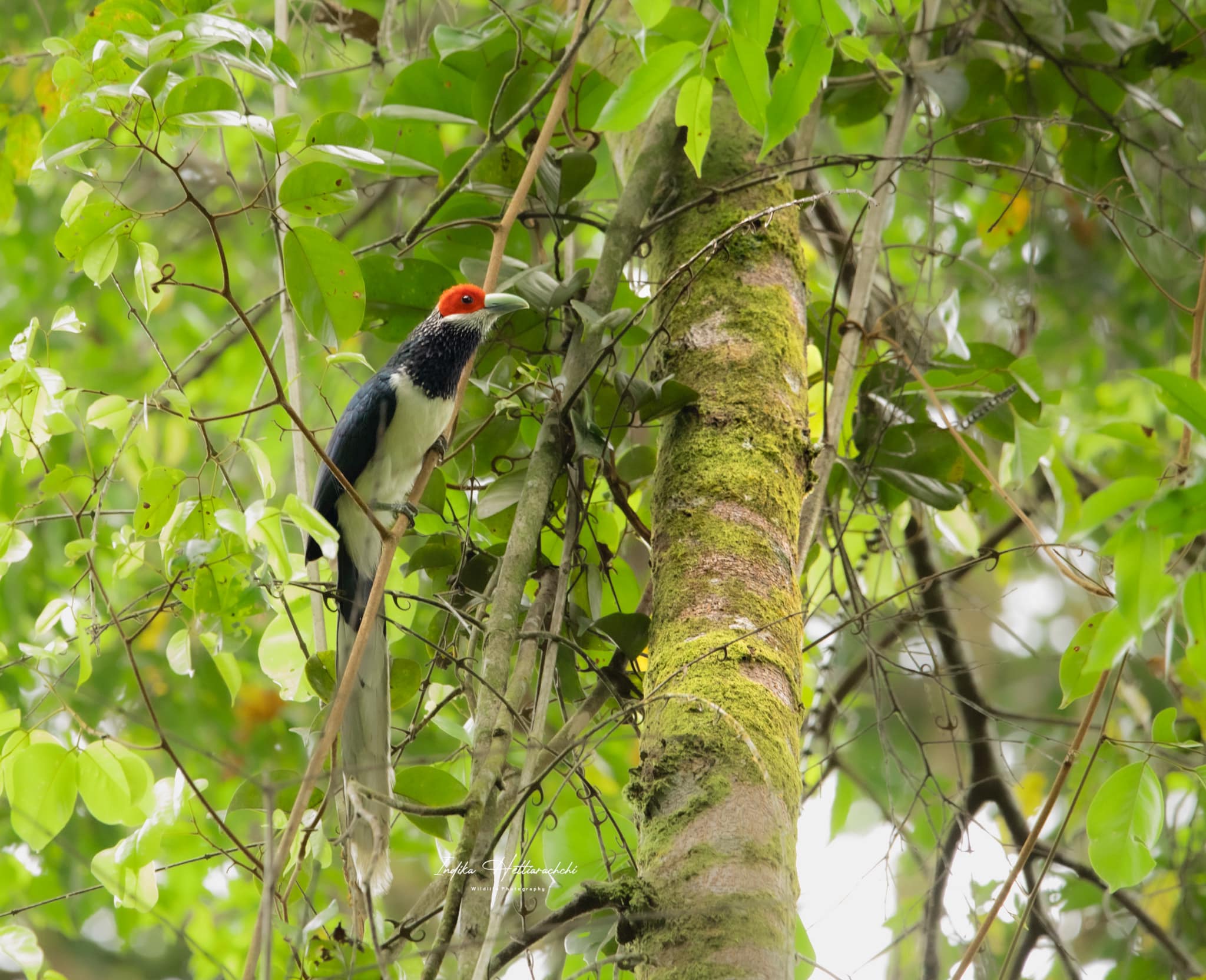
A secretive endemic of tall wet forest. Needs patience and the right patch of canopy.
Habitats
Most strong birding weeks pair one rainforest block with one dry-zone or coastal block rather than sampling every site on the map.
South-west rainforest
The heart of endemic birding. Mixed-species flocks, understorey specialists, and humid early mornings.
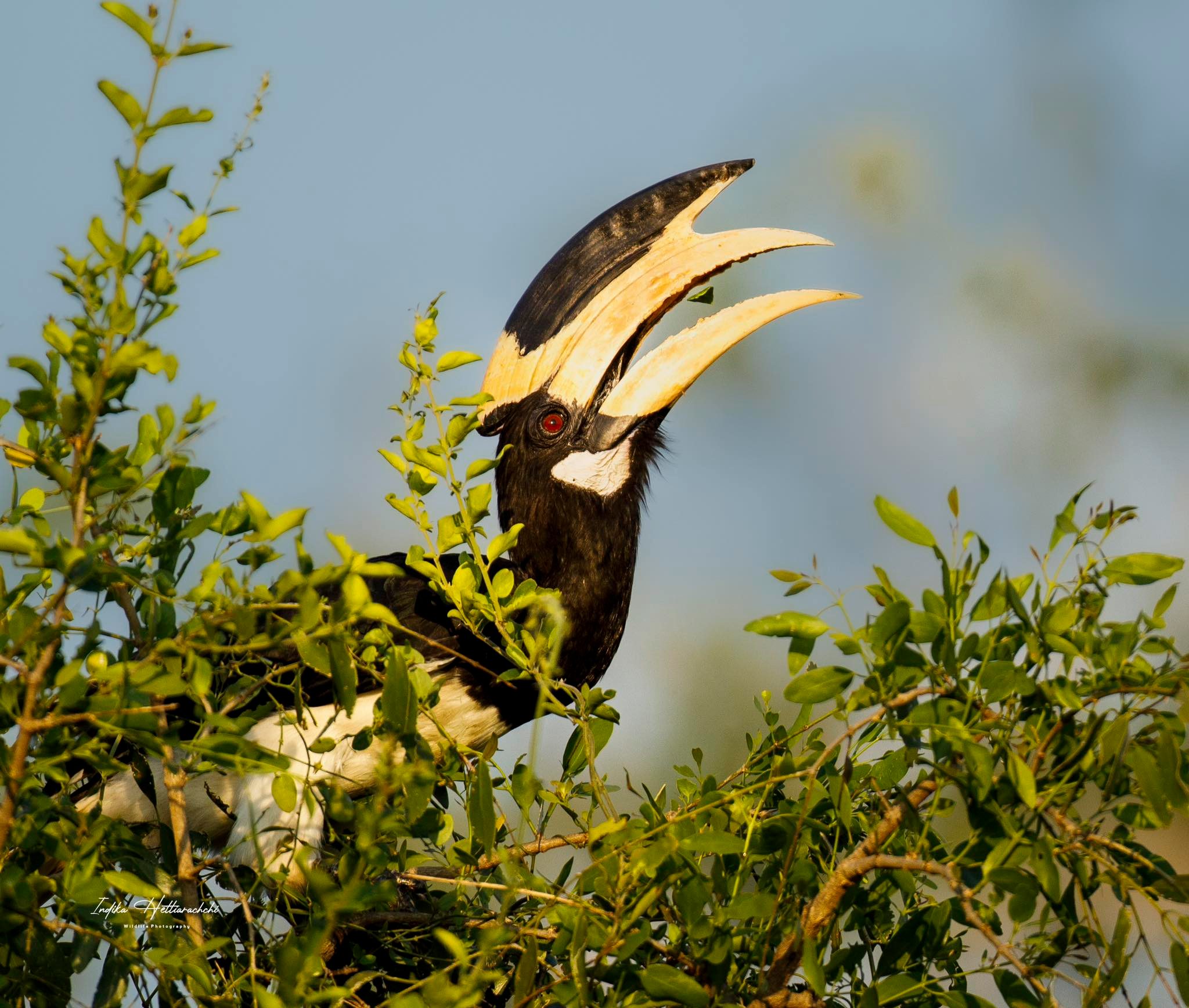
Yala, Kumana, and similar country
Hornbills, raptors, and open-country birds around park roads and water. Can share a route with mammal time when planned cleanly.
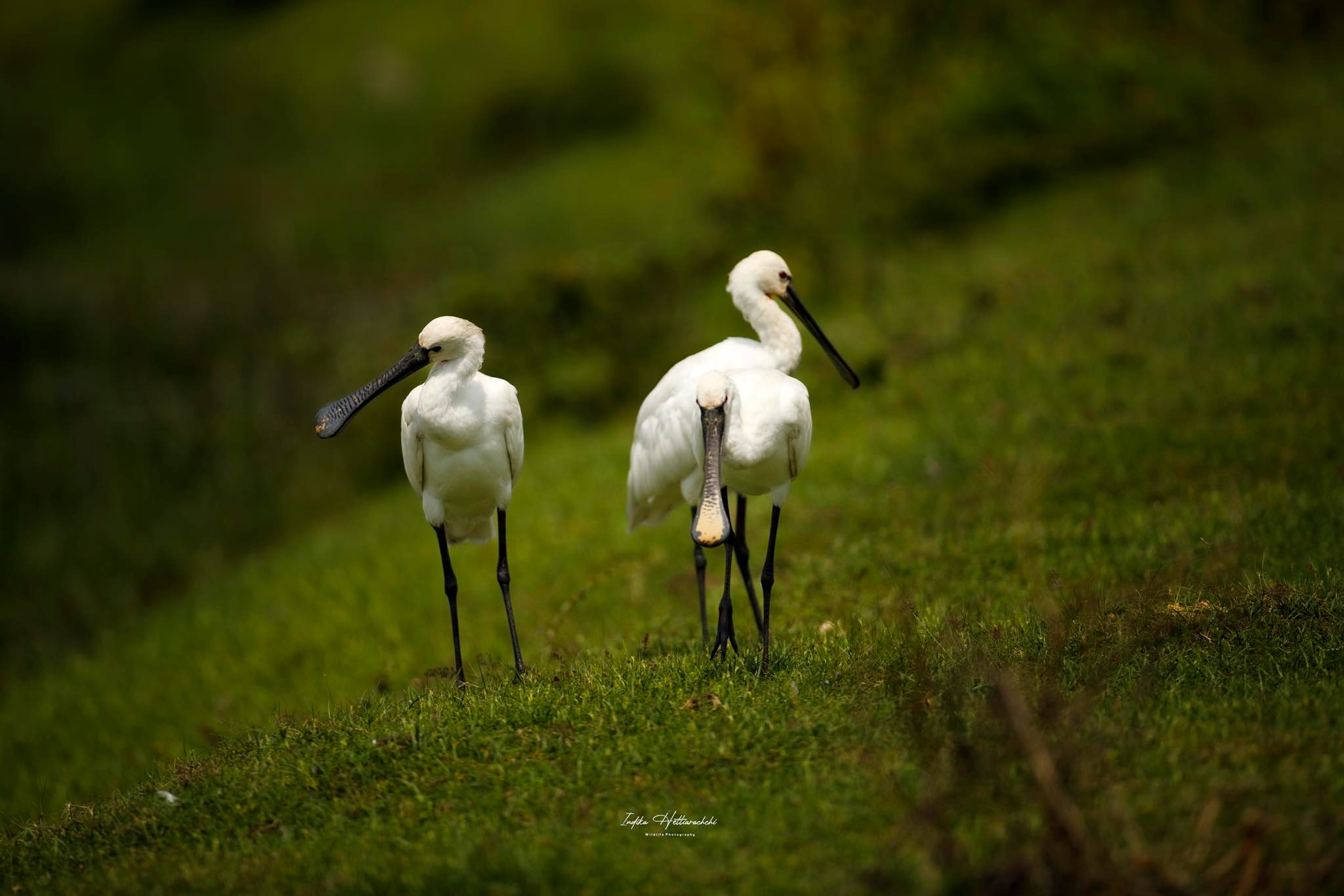
Bundala, Mannar, and wetland systems
Waders, waterbirds, and seasonal migrants. Clean low-angle light when the season is right.
Northern winter months bring peak migratory interest to lagoons and mudflats. Wet-zone forests stay productive year-round, with flock activity often best in the first hours after dawn.
Heat haze and harsh midday light matter for photography. Start times and rest windows are planned so you get coverage without burning the best hours on long transfers.
International birders building a Sri Lanka list. Photographers chasing kingfishers, raptors, and endemic forest species. Mixed groups who want birds to lead the itinerary while still leaving room for mammals or landscape.
Routes can stay gentle for newer birders or lean deeper into rainforest flocks for experienced guests. The brief you send shapes the balance.
Share dates, group size, and what you most want to see. You will get a clear first outline for parks and pace.